• Advertisement
  • Bioplastics from bacteria

    Share
    Share

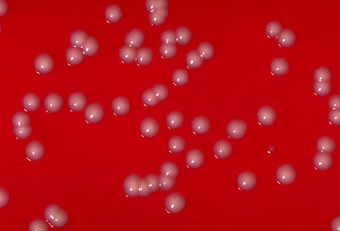
    A research team in Korea has produced succinic acid from microalgae using genetically-modified bacteria. 

    The approach employed an improved version of 'corynebacterium glutamicum', which was used to produce amino acids and hexane. 

    “This study was aimed at developing a technique to make next-gen sustainable bio-chemical products that can respond to the depletion of fossil fuels and climate change,”said Dr Woo Han-min, of the Korea Institute of Science and Technology, who led the research with Professor Sim Sang-joon of Korea University. “We have presented a breakthrough in the technology for utilising microalgae and we can use it for various products including coating materials, compound plasticisers, urethane and solvents, as well as bioplastics.”

    Share

    Recommended

    Latest Magazine

    Features
    Nonwovens News talks to Murat Dogru about the upcoming OUTLOOK conference
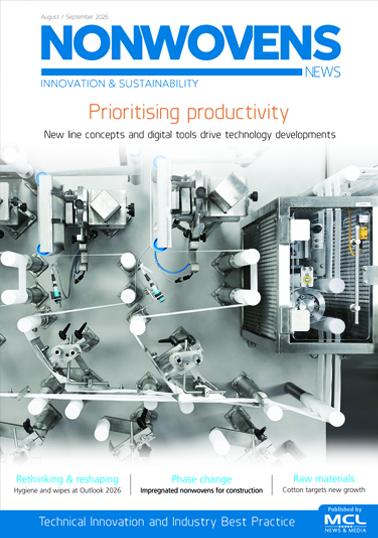
    New line concepts and digital tools are helping nonwovens producers boost output, cut waste and ease labour pressures
    New research is exploring the benefits of using PCM impregnated nonwovens for use in composite reinforcements for the construction sector
    News
    Lenzing to prioritise nonwovens as fibre business reshaped
    Turkish yarn manufacturer to enter nonwovens market
    Shaping the future of filtration at Filtrex

    Other publications from MCL News & Media

    Scroll to Top
    Generic filters
    Filter by Categories
    Logo

    Our free newsletter showcases the very best of our journalism, delivered to you twice a week

    Advertising
    With Us

    Help to support the purpose-led work of our team of journalists, international correspondents, and partners – and expose your product or service to our global readership.

    Logo

    Our free newsletter showcases the very best of our journalism, delivered to you twice a week