FRANKENTHAL - German film manufacturer RKW Group has ramped up its drive towards greater sustainability with a commitment to environmental campaigns aimed at reducing the amount of plastic waste found in oceans as well as a number of new eco-friendly product developments.
RKW says it pursues a comprehensive approach to corporate and social responsibility which involves supporting sustainable goals on several levels: its involvement in cross-industry initiatives such as Zero Pellet Loss and ERDE specifically helps to reduce the release of plastics into the environment while research and development activities take into account the concept of the circular economy, which includes an increased use of recycled plastic waste.
Between July and September 2020, RKW also conducted an extensive campaign to highlight the importance placed by the company on sustainability at all levels. This included a cash donation of €5,000 "Oceans without plastic" project which is run by the German Society for Nature Conservation (NABU).
At the same time, product solutions for fully recyclable packaging materials are being introduced to the market with RKW production sites certified in accordance with the strict requirements of Ecovadis. Developments include down gauging, a reduction of film thickness while maintaining or even improving their properties; the use of biopolymers; Life Cycle Assessments on its products; and 100% recyclable films for the agricultural sector.
The assessments are based on international sustainability standards, including the United Nations Global Compact.
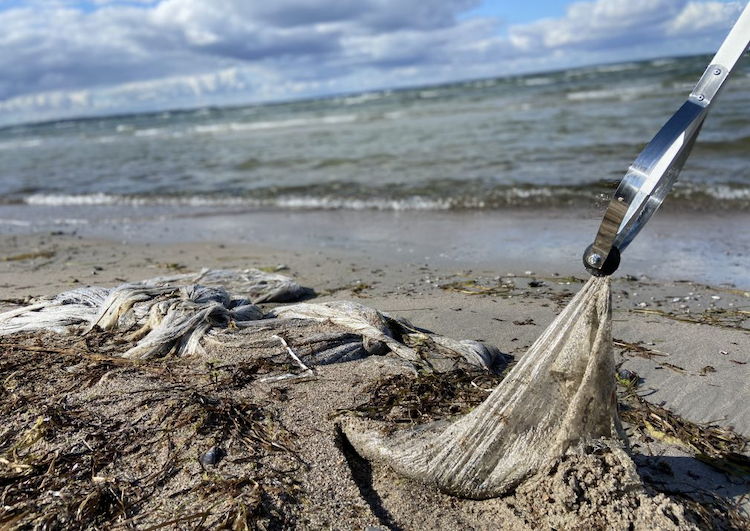
The campaign took even more hands-on turn in recent weeks as management joined colleagues worldwide to manually collect litter from natural environments at six sites in three countries including the RhineCleanup in Frankenthal, the beach in Helsingborg, Sweden, and in Guangzhou, China.
"The activities sent a clear signal," Harald Biederbick, CEO of RKW said. "We are part of the community and we get involved. We as RKW Group have been committed for years to giving plastics a sustainable perspective and further expanding the circular economy. It is therefore only logical to support projects and initiatives that also make a concrete contribution to more sustainability and environmental protection."