NEENAH - Kimberly-Clark has joined the U.S. Plastics Pact, a collaborative initiative with the goal of creating a path toward a circular economy for plastics in the United States by 2025.
The first North American Pact of its kind, the U.S. Pact is led by The Recycling Partnership, World Wildlife Fund (WWF) and Ellen MacArthur Foundation.
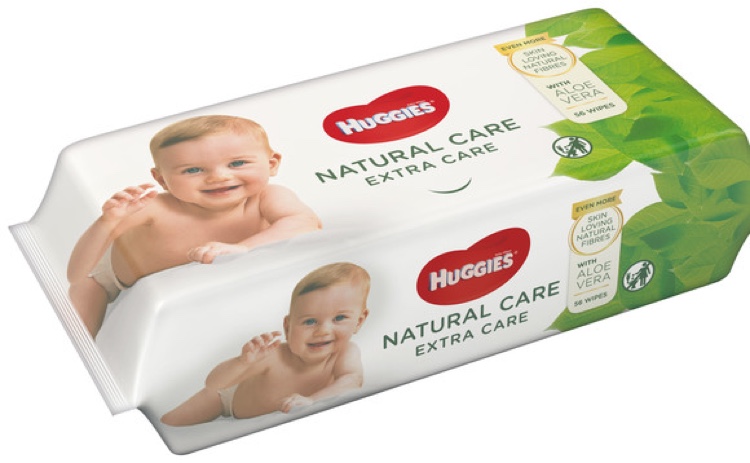
As part of the U.S. Plastics Pact, Kimberly-Clark and its brands including Kleenex, Cottonelle and Huggies join more than 70 brands, retailers, NGOs, and government agencies across the plastics value chain working to bring one voice to U.S. packaging through coordinated initiatives and innovative solutions for rethinking products, packaging, and business models.
"We aspire to be at the forefront of the transition to a circular, reuse economy and finding new ways of giving consumers the products they need," said Kim Underhill, president of Kimberly-Clark's North American Consumer Business. "We realize getting there will take game-changing innovation, and we know we're up to the challenge to do more by joining the U.S. Plastics Pact."
As a founding Activator of the U.S. Plastics Pact, Kimberly-Clark has agreed to collectively deliver against these four ambitious goals across its U.S. business, in alignment with the company's 2030 strategy and goals.
- By 2021, define a list of packaging to be designated as problematic or unnecessary and take measures to eliminate them by 2025.
- By 2025, ensure all plastic packaging is 100% reusable, recyclable, or compostable.
- By 2025, undertake ambitious actions to effectively recycle or compost 50% of plastic packaging.
- By 2025, the average recycled content or responsibly sourced bio-based content in plastic packaging will be 30%.
While the U.S. Plastics Pact is complementary to, and follows the ambitious precedents set by the existing global network of Plastic Pacts, it will be tailored to meet the unique needs and challenges of the U.S. market. The Pact will reflect national priorities and realities, while still propelling the nation closer to other developed nations in its management of plastic waste.
Achieving this vision will require new levels of accountability from all facets of the plastics supply chain. The U.S. Plastics Pact emphasizes measurable change and as such, Kimberly-Clark says it is committed to transparent annual reporting, guided by WWF's ReSource: Plastic Footprint Tracker, which will be used to document annual progress against the four goals. The first task of the pact will be to establish a "roadmap" in Q1 2021 to identify key milestones and national solutions to achieving the U.S. targets and realise a circular economy in which plastic never becomes waste.
In addition to joining the U.S. Plastics Pact, Kimberly-Clark recently announced its new 2030 sustainability strategy and goals, aimed at addressing the social and environmental challenges of the next decade with commitments to improve the lives and wellbeing of one billion people in underserved communities around the world with the smallest environmental footprint.