• Advertisement
  • Sustainable Nonwovens 15.08.14

    Share
    Share

    Cotton Inc

    Insight 2014

    Bostik

    Apparel Analyst

    CIT


    Bio-based products

    Serious funding for EU biomaterials

    Big opportunities for the nonwovens and related industries are suggested with the announcement of a new ‘Made in Europe’ initiative to trigger the creation of a competitive market for locally-sourced bio-based products and materials.

    Read more


      Universal Carbon Fibres

    Tex Tech acquires UCF

    Tex Tech Industries, a global developer and manufacturer of engineered, high-performance materials based in Portland, Maine, USA, is acquiring Universal Carbon Fibres Ltd (UCF), based in West Yorkshire, UK.

    Read more


      PGI

    Expanded PGI on target

    Net sales for Polymer Group (PGI) have not unsurprisingly rocketed following the company’s acquisitions of Providencia and Fiberweb.

    Read more


      Broom
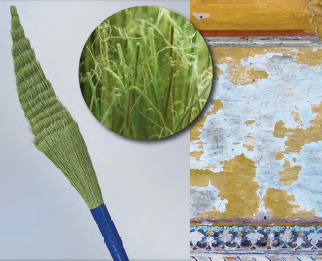
    A new broom for India
     
    Most households in India use brooms made of natural grass to sweep floors. This natural product is the bestselling cleaning product in the country, but there’s one major drawback – small pieces of the broom, such as grass seeds, tend to be discarded, particularly when the broom is new – which causes more dust and dirt.  
     

      Bio plastics
    Bioplastics from bacteria
     
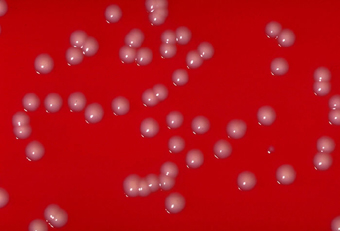
    A research team in Korea has produced succinic acid from microalgae using genetically-modified bacteria.


      Colour
    China’s incredible journey  
     
    At the 1st Asia Disposable Hygiene and Personal Care Products Summit in Shanghai, the astonishing growth of China’s spunmelt nonwovens industry in just 20 years was underlined.
    There was also evidence presented – and hotly contested during discussions – that China is now surging ahead in some areas of both sustainable development and intellectual property rights, contrary to common perceptions in the West.
    In 1995 China’s GDP per capita was just US$1,500 and has now rocketed to around $10,000, and still growing. In 1985 the penetration of femcare products was around 30% and has consequently risen to above 90%. Diapers were virtually unheard of in China in 1995 but are now approaching the 50% penetration mark.
    In parallel, Chinese spunmelt production has climbed from virtually zero in 1995 to approaching two million tons today.  

    Share

    Recommended

    Latest Magazine

    Features
    Nonwovens News talks to Murat Dogru about the upcoming OUTLOOK conference
    New line concepts and digital tools are helping nonwovens producers boost output, cut waste and ease labour pressures
    New research is exploring the benefits of using PCM impregnated nonwovens for use in composite reinforcements for the construction sector
    News
    Lenzing to prioritise nonwovens as fibre business reshaped
    Turkish yarn manufacturer to enter nonwovens market
    Shaping the future of filtration at Filtrex

    Other publications from MCL News & Media

    Scroll to Top
    Generic filters
    Filter by Categories
    Logo

    Our free newsletter showcases the very best of our journalism, delivered to you twice a week

    Advertising
    With Us

    Help to support the purpose-led work of our team of journalists, international correspondents, and partners – and expose your product or service to our global readership.

    Logo

    Our free newsletter showcases the very best of our journalism, delivered to you twice a week