BEAVER DAM - WPT Nonwovens is to begin the production of PLA-based nonwoven fabrics for the filtration market as it looks to confirm its role as a trusted supplier of Berry Amendment-compliant products.
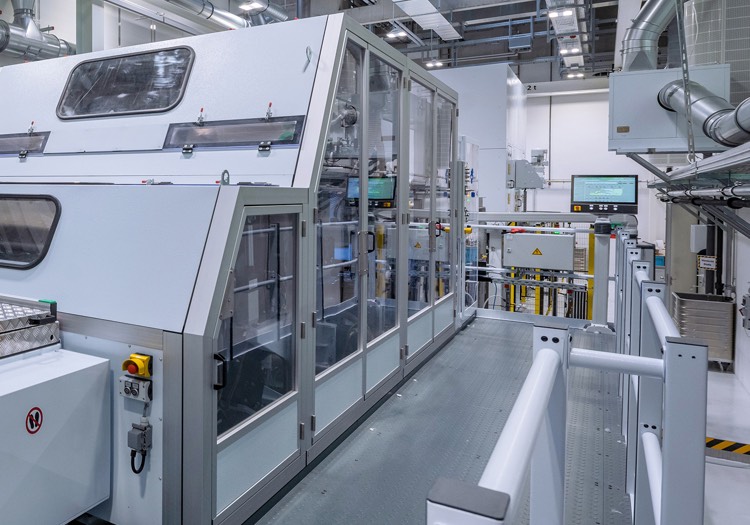
In February of this year, WPT announced the installation of a new thermobonding line from Trützschler Nonwovens which also included input from the machine builder's partnership with Schott & Meissner. The high capacity line includes the T-Blend fibre preparation system, two TWF-NC roller cards and Schott & Meissner’s high-speed Speedliner belt oven.
The line will now be used to make PLA-based nonwovens targeted at the filtration market. Made from polylactic acid, PLA fibres are a biodegradable polymer derived from renewable resources such as cornstarch or sugarcane. Also known as PLA man-made fibres, PLA fibres are synthetic fibres made from polylactic acid material.
WPT Nonwovens Corporation is a Beaver Dam, Kentucky-based, 3rd generation family-owned, nonwovens manufacturer. It began operating in 2008 and has quickly become a trusted supplier of spunbonded, needlepunched, wetlaid and carded nonwovens. As well as being a specialist in filtration media, it also supplies nonwoven fabrics for use in the medical, hygiene and industrial sectors, operating three production facilities, six nonwoven lines and five medical products converting lines.
Now, to enable further growth, WPT has decided to invest in the new through-air bonding line. The Trützschler machinery was selected, the company said, to ensure reliable fibre preparation and web forming processes for various special, technically demanding filtration media.
The Berry Amendment prohibits the Department of Defense (DoD) from using “funds appropriated or otherwise available to DoD for procurement of food, clothing, fabrics, fibers, yarns, other made-up textiles, and hand or measuring tools that are not grown, reprocessed, reused, or produced in the United States”. This regulatory requirement is designed to maintain the safety and security of the country's armed forces, and has been extremely important to the viability of the textile and clothing production base in the United States.