DUSSELDORF – TotalEnergies Corbion is actively buying reprocessed PLA waste as it looks to step up its efforts to close the recycling loop.
Aimed at stimulating collecting, sorting, and cleaning of PLA waste and to facilitate a marketplace for recycle streams, the advanced recycling process allows for the PLA to be recycled back into Luminy rPLA with the exact same properties and certifications as virgin Luminy PLA.
In Europe, the success of advanced recycling of PLA is demonstrated by the NaKu bottled water from Austria. The NaKu bottle is made of 100% biobased plastic (PLA), it is therefore recyclable and compostable (according to EN 13432). The bottles are 100% recyclable and contain 20% certified recycled content. After use the bottles are collected, sorted, cleaned and the resulting PLA is mechanically recycled into different applications.
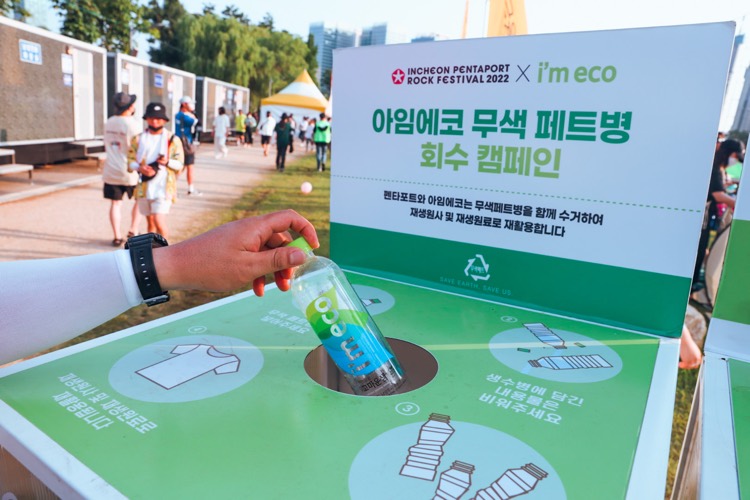
In Asia, another strong example of PLA recyclability is Sansu in Korea. Sansu bottles water in Luminy PLA. After use the bottles are collected, sorted, cleaned and the resulting PLA is advanced recycled into Luminy rPLA. Luminy rPLA has the exact same mechanical properties, food contact and other certifications as virgin PLA and the recycle content is SCS certified.
“At various jazz and music festivals in Korea PLA drinking cups are exclusively used," said ChowPin Tan, Senior Business Development Director Asia Pacific at TotalEnergies Corbion. "The cups are collected, sorted and send for advanced recycling in our plant in Thailand. This close loop concept is not new and with the advanced recycling that TotalEnergies Corbion has developed, this is now a reality.'