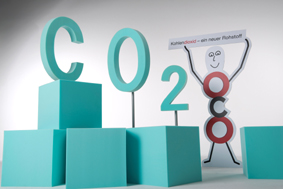
 Bayer MaterialScience reports further success with its Dream Polymers research project which is exploring the use of carbon dioxide as a raw material for plastics.
In lab tests, the company has succeeded in significantly further reducing the need for petroleum at precursor level through the incorporation of CO2 and also extending the range of plastics it can be used to produce.
A technology employing the greenhouse gas to produce a key component for high-quality PU foam is already moving towards commercial use but the proportion of petroleum in this chemical is still 80%.
“We have now succeeded in reducing the petroleum content for making other plastics to just 60 per cent,” says project manager Dr Christoph Gürtler.
Carbon dioxide is used twice in the new process. First, the greenhouse gas is incorporated directly into a new kind of precursor (polyoxymethylene polycarbonate polyol), replacing 20% of the petroleum. Second, it is also used indirectly, producing a chemical that is also incorporated into the precursor for a further 20% saving in petroleum.
“It’s now also possible to manufacture thermoplastic polyurethanes, films and casting elastomers in this way,” says Gürtler.
“Initial application tests have been positive but there’s still some way to go before the process is commercially viable.”