 IPS Testing, based in Appleton, Wisconsin, has become one of just two independent labs in the US and North America to offer all seven tests outlined in the recently streamlined and updated Flushability Guidelines published by industry bodies EDANA and INDA.
The new 4,000 square-feet lab at IPS houses the custom-designed stations and equipment needed to simulate the real-life flushing scenario from toilet bowl to drain-line and through disintegration.
“The nonwovens industry is proactively working to educate the public about which wipes are intended to be flushed and which are not, in the hopes of eliminating future clogging problems,” said IPS vice president Chris Reitmeyer. “With these new protocols in place, the intent is to determine which wipes will properly pass through the waste and sewer systems and better educate consumers through a universal labeling system,” he said.
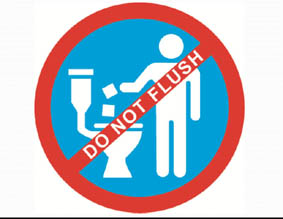
According to a Code of Practice directive within THE Flushability Guidelines, if a product fails any test within the seven-step series, it will immediately be deemed un-flushable and require standard ‘Do Not Flush’ labeLling.
The flushable wipes industry continues to grow at a rapid pace and Reitmeyer said its products have often been misrepresented as the source of the problem for waste and sewer system clogging.
He noted that wipe products that meet the protocol outlined by INDA and EDANA are able to adequately break down through the flushing process. Things like diapers, baby wipes, paper towels, hand towels, feminine care items and other materials are not. These non-flushable items are the bulk of what is discovered when evaluating clog masses.
“A study of municipal waste water systems shows that over 90% of the material found in clogs consists of articles that were never intended to be flushed,” added Kyra Dorsey, chair of the INDA Flushability Task Force. “This issue can only be addressed by educating the consumer. The nonwovens industry is taking a hands-on approach in doing so by testing and appropriately labelling products.”
“At this point, testing is voluntary,” Reitmeyer added. “Manufacturers are on board with it and want to do the right and responsible thing by ensuring their wipe products meet all flushability standards.”
IPS Testing is unique in that it will open its flushability lab and equipment to clients for product development purposes.
“If a wipe doesn’t meet the guidelines during testing, our lab technicians will meet with the client to provide explanation and work through the problem areas discovered,” Reitmeyer said.
The seven flushability tests include assessments related to drain-line clearance, disintegration, settling, household/municipal sewage pumps and more.
With equipment installed and validated, IPS testing is now accepting work requests for flushability testing.