 Procter & Gamble is one of the eight multinationals leading the surge to bioplastics and biofibres which have now formed the Bioplastic Feedstock Alliance (BFA) in partnership with the World Wildlife Fund (WWF).
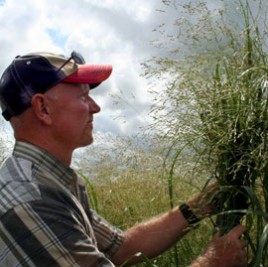
The aim of the BFA – which also includes Coca Cola, Danone, Ford, Heinz, Nestlé, Nike and Unilever – is to encourage the responsible development of bioplastics and it will primarily focus on guiding the responsible selection and harvesting of feedstocks such as sugar cane, corn, bullrushes and switchgrass, which can be as new raw materials.
As the development of these renewable materials has grown, so too has the opportunity to address their potential impacts on land use, food security and biodiversity. BFA plans to bring together leading experts from industry, academia and civil society to help guide the evaluation and sustainable development of such feedstocks.
“This alliance will go a long way to ensuring the responsible management of natural resources used to meet the growing demand for bioplastics,” said Erin Simon of WWF. “Ensuring that our crops are used responsibly to create bioplastics is a critical conservation goal, especially as the global population grows rapidly through to 2050.”
The emerging bioeconomy has so far been characterised by the development of biofuel technology and markets around the world. As that industry has matured, a number of critical issues have come into focus, such as resource competition for food, land, water and energy.
These issues represent challenges to the future growth of the bioplastics industry as a part of that bioeconomy. The BFA seeks to identify the potential impacts of the bioplastic industry and possible measures to mitigate them. In this way, BFA can help move the bioplastic industry’s emerging supply chain in a positive direction.
Over the past 15 years progress in life science technology and in agricultural production systems has made it increasingly possible to envisage a future where renewable carbon from plants replaces fossil carbon in the production of chemicals and materials needed by society. It is now possible to explore the real possibility of reducing the carbon intensity of materials such as those used in packaging, textiles and nonwovens, automotive, sports equipment and a wide range of other industrial and consumer goods applications.
This bioeconomy, however, also represents a potential shift in industrial production towards the use of agricultural and forestry feedstocks as raw, by-product or waste materials and concerns about converting nature to industrial production models needs to be fully considered.
The BFA therefore seeks to evaluate the diversity of potential bioplastic feedstocks using state of the art science to ensure a common understanding of current and potential future sustainability improvements that each may offer. It will continuously monitor their development against expectations for improvement and help drive positive change at scale.