 NatureWorks – the manufacturer of Ingeo PLA fibres and polymers for nonwovens and plastics – has entered into a multi-year collaborative project to develop a production process for fermenting methane into lactic acid with California-based Calysta Energy.
It is believed the potent greenhouse gas could become the building block for Ingeo products and if the collaboration results in the successful commercialisation of this technology, the cost to produce Ingeo would be structurally lowered. In addition, the wide range of Ingeo-based consumer and industrial products could be produced from an even broader set of carbon-based feedstocks, complementary to those already in use.
A greenhouse gas 20 times more harmful than carbon dioxide, methane is generated by the natural decomposition of plant materials and is a component of natural gas. Methane is also generated from society’s organic wastes and is produced from such activities as waste-water treatment, decomposition within landfills and anaerobic digestion. If successful, the technology could directly access carbon from any of these sources.
Determining the feasibility of methane as a commercially viable feedstock for lactic acid, however, may take up to five years, the company’s believe.
“If proven through this R&D collaboration, the new technology could be revolutionary because it will provide alternatives to the current reliance on agricultural feedstocks,” said Marc Verbruggen, president and CEO of NatureWorks. “And with the direct conversion of methane, it will greatly simplify the number of steps and operations needed to convert carbon into performance consumer products. This could structurally lower the cost of producing Ingeo.”
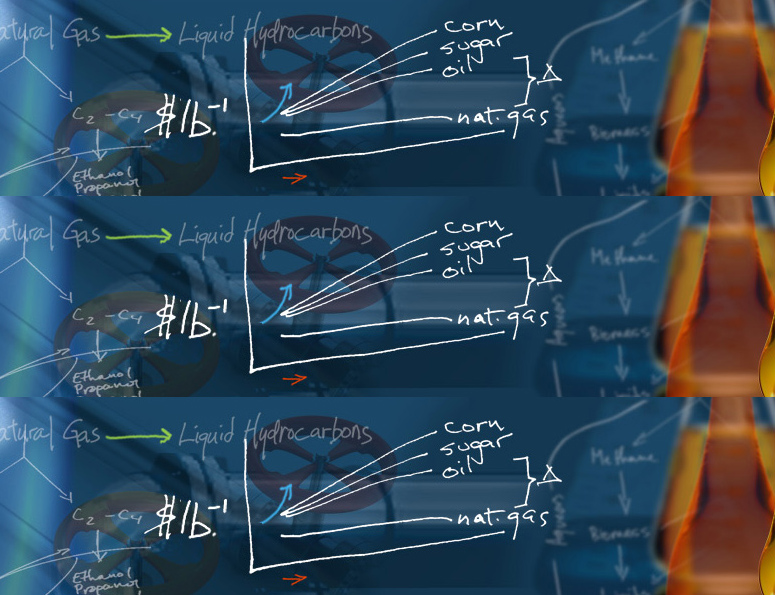
Currently, Ingeo relies on carbon from CO2 feedstock that has been fixed or sequestered through photosynthesis into simple plant sugars, known as ‘first generation materials’.
The company’s flagship plant in Blair, Nebraska, uses industrially-sourced corn starch, while its second facility currently in planning for a location in Southeast Asia will use cane sugar. In parallel with the collaboration, NatureWorks is continuing its broad technology assessment of ‘second generation’ cellulosic sources of carbon. In the case of Southeast Asia, opportunities exist for harvesting cellulosic sugars from bagasse, an abundant lignocellulosic byproduct of sugarcane processing.
The research and development collaboration with Calysta Energy relates to NatureWorks’ strategic interests in feedstock diversification and a structurally simplified, lower cost Ingeo production platform. Calysta Energy is developing its BioGT (biological gas-to-chemicals) platform for the biological conversion of methane to high value chemicals. For NatureWorks, methane could be an additional feedstock several generations removed from simple plant sugars. The project will wrap up with an evaluation of potential sources of a methane feedstock for commercial scale production of lactic acid. The evaluation will include criteria such as purity, availability, price, location to customers, GHG sequestration potential and environmental and energy impacts.
Feedstock diversification supports the organisation’s goal of utilizing the most abundant, available and appropriate sources of carbon to produce Ingeo for the local geographic region served by a NatureWorks production facility.
“We are pleased to be partnering with NatureWorks, an industry leader in renewable technology and biopolymer business development,” said Alan Shaw, chairman, president and CEO of Calysta Energy. “Calysta’s proprietary technology enables a novel route from a significant greenhouse gas to high-value industrial chemicals such as lactic acid. This approach demonstrates the power of biology compared to chemical transformation. Specific products, such as lactic acid, would be extremely difficult to make economically from methane using traditional catalysts. This exclusive project validates our value proposition of converting existing, proven biological pathways to advantaged feedstocks.”
The companies will share commercialisation rights for select products developed under the agreement.