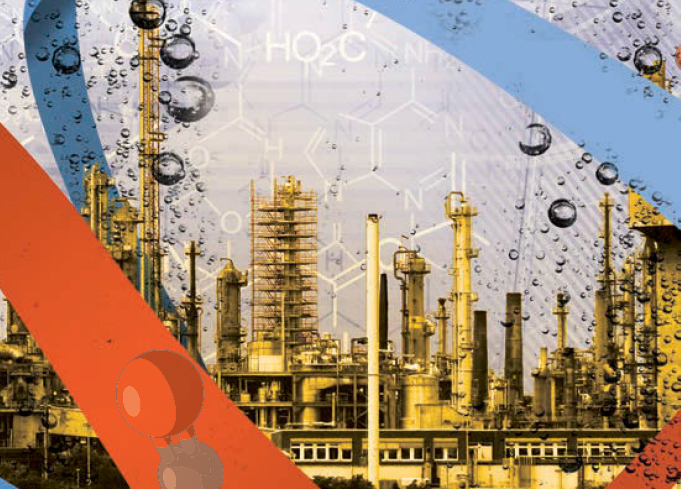
 CO2 as a feedstock for chemistry and polymers, with potential applications in future nonwovens, is the subject of a special conference taking place in Essen, Germany from October 10-11th this year.
Polypropylene carbonate (PPC) is the first remarkable example of a plastic that uses CO2 in its preparation, explains conference organiser the Nova Institute. PPC is obtained through alternated polymerization of CO2 with PO (propylene oxide). The production of PPC worldwide is growing rapidly and today PPC is a high quality plastic combining several advantages – it is 43% CO2 by mass, is biodegradable, shows high temperature stability, high elasticity and transparency and a memory effect.
These characteristics open up a wide range of applications for PPC, including countless uses as packaging film and foams, dispersions and softeners for brittle plastics. Thinking further ahead, in a future when propylene oxide will be produced from methanol reformed from CO2, PPC will become available derived 100% from recycled CO2, making it very attractive for the consumer.
And PPC is not the only such plastic that has come onto the market – other examples include polyethylene carbonate (PEC) and polyurethanes from CO2 as well as polyhydroxyalkanoates (PHAs) via CO2-based fermentation.
CO2 is already used as a reactant for polyurethanes at Bayer, for example, and a polycarbonate at DSM. In the future it will be possible to use photons directly for water splitting – as the step to artificial photosynthesis with a much higher efficiency than all the crops in the world. Artificial leaves and artificial crops can be placed everywhere, using carbon dioxide, water and solar radiation to produce fuels, chemicals and plastics – and even glucose.
From around 2030 the chemical industry will be able to sequester the CO2 from the atmosphere cheaply, the Nova Institute predicts, but until then CO2 from combustion is a way to fill the gap. Producing hydrogen is very energy demanding and for a mass production the industry needs more hydrogen at a cheaper price. Hydrogen is the main problem, the rest of the technology is optimised. Once this issue has been solved, industry will be able to produce practically everything everywhere.
The conference in Essen will feature papers from US based companies Novomer and Empoyer Materials as well as those from Norner of Norway, SK Innovation of South Korea.
Germany’s BASF and the Tehnical University of Munich will also provide insights into PPC production, usage and opportunities. Bayer Material Science has already exhibited polyurethane blocks from CO2 polyols and will the latest developments. Belgium’s Vlemisch Institute of Technology (VITO) will round up the polymer topics with a presentation on PHB production via CO2 fermentation and Evonik will give an overview on the biotechnological conversion of CO2 with options for polymer production.
Further details: www.co2-chemistry.eu