Technical Absorbents is a trusted name in the superabsorbent and nonwovens industries.
Super Absorbent Fibre (SAFâ„¢) technology innovation has been the focus of our business for over 30 years. Today, we not only produce these specialist fibres, but also design and manufacture a wide range of technical, high performing superabsorbent materials – all Powered by SAFologyâ„¢.

We have worked hard over the years to achieve our reputation for excellence and continue to deliver the highest levels of development support and customer service. Collaboration is key. We believe in firmly understanding a brief before commencing a new project. This allows us to engineer innovative absorbent solutions to meet the specific needs of our customers and their end-products.
So, what is SAFâ„¢?
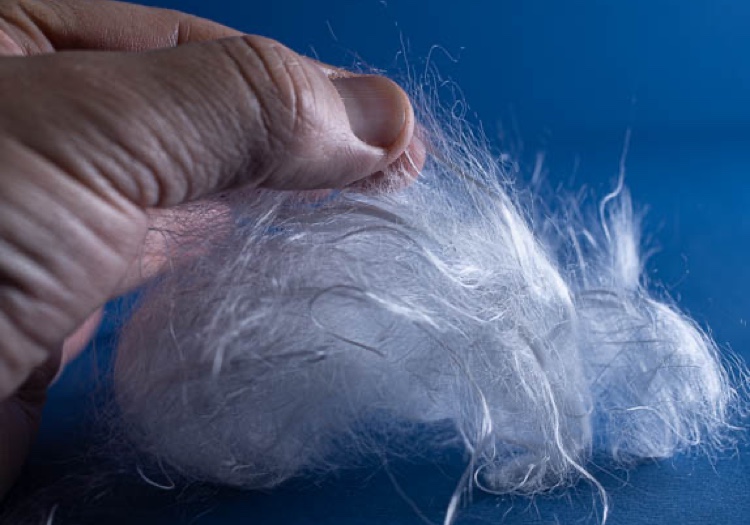
SAFâ„¢ is a highly technical, soft, staple fibre, that absorbs significant amounts quickly thanks to its high core to surface ratio. In fact, it can take in up to two hundred times its own weight in water, even under load. It also provides excellent levels of containment and retention, which can be hugely beneficial in a wide range of applications.
The fibres can be easily blended with a wide range of other fibre types to produce high performing super absorbent fabrics and yarns. As SAFâ„¢ is blended with other fibres and not applied as a coating, it does not shed. This minimises issues with dust and resulting absorbent voids.
As standard, SAFâ„¢ is produced in three staple lengths – 6mm, 52mm and 80mm. However, we can engineer innovative SAFâ„¢ solutions to meet individual customer and product requirements.

Superabsorbent Fabrics
We have years of experience engineering fabrics – all powered by SAFâ„¢. A large portfolio of different fabric types that vary by fibre blend, thickness, absorption capability, tensile strength, laminated, unlaminated etc. - the list goes on - has now been developed. This has put us in the best position to advise customers who are looking for an absorbent fabric layer or component for their product.
Most of our superabsorbent fabrics are nonwovens. This essentially means that they aren’t manufactured by weaving the fibres together. Drylaid nonwoven conversion techniques are mainly used - namely, Airlaid and Carding. The latter can then be bonded by needling (Needlefelts) and/or heat (Thermobonds). Most of our fabrics are classed as single use/disposable, although we do have an established range that can also be laundered and reused.

Sampling Made Easy
The addition of our sample library in recent years has assisted in streamlining development projects. It allows customers to undertake initial testing/trials and check certain parameters before deciding if a more bespoke solution is required.
To see our technology in action, scan the QR code

To browse our sample library, please visit www.techabsorbents.com/samples
Chat with one of our SAFologists by emailing [email protected]