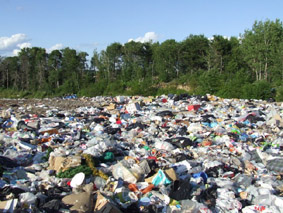
 The biodegradation of suitably-treated plastics in landfills makes sense.
This will be the core message of Charlie Lancelot, president of XCaliber Associates at the forthcoming INDA RISE (Research, Innovation and Science for Engineered Fabrics) conference which takes place in Miami, Florida, from February 10-12.
“Despite a high consumer profile and decades of effort, the cost-effective recycling of most plastics is difficult, if not impossible,” he says. “Recycled plastics at the end-reuser level must be price-competitive relative to virgin plastics for recycling, to be self-sustainable long-term. Manufacturers cannot tolerate more than 1-2 cents premium in costs for their raw materials, many of which have been developed to match very specific performance requirements.”
With very few exceptions, he adds, it’s extremely difficult to hit these specific performance targets with recycled plastics, especially post-consumer plastics, at the required price-point targets.
“The cost of sufficient separation of typical mixed plastic streams – even using the latest technologies – is the price killer, with the easily consumer-separated PET and HDPE bottles among the few exceptions. In addition to their diversity, plastic products and synthetic textiles are also discarded in forms that prevent or seriously impede their recyclability, such as multi-component construction, usage history with non-hazardous but still potentially contaminated plastic healthcare wastes, food wastes, cleaning and maintenance residues etc.