 Metsä Board, the manufacturer of wallpapers made from nonwovens formerly known as M-real, reports that it has reduced the carbon footprint for producing its Cresta-branded ranges by 50%.
The reduction follows completion of a new biopower plant at the Kyro mill in Finland, where the Cresta range is made.
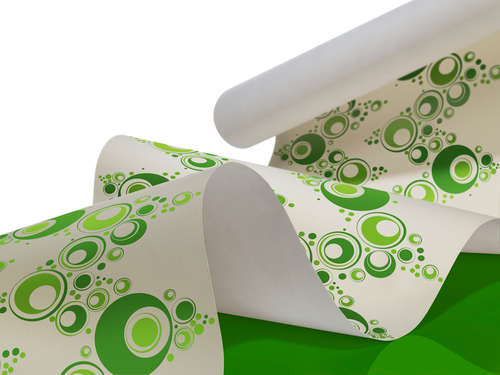
Base papers in the Cresta range on show at the recent Heimtextil exhibition in Frankfurt are particularly suitable for the latest trends in wallpaper design and decoration.
“One thing is certain – wallpaper base will need strength, excellent performance and durability,” said vice president of sales Risto Auero. “Trends include strong colours, even black, combined with high gloss and iridescent effects. Another style is for wallpapers to mimic the appearance of stone, cement, brick or metal. In contrast, we also see highly decorative designs inspired by embroidery and fabrics that demand good printability and flexibility.”
Metsä Board’s Cresta range includes duplex and simplex wallpaper base as well as nonwoven products, meeting the demands of all printing and converting processes as well as the functionality of paste-the-wall, washable and strippable wallcoverings. There are bases suitable for expanded vinyl wallcoverings, PVC coating and paper wallcoverings, and specialist products that offer resistance to high temperatures in converting or are suitable for inks containing pearlescent pigments.
The new €50 million biopower plant at Metsä Board Kyro replaces the use of fossil natural gas with CO2-neutral, discarded wood. This is predominantly bark and other biomass from industrial side streams, as well as logging residual and chips from first thinnings of growing forests. CO2 emissions from the Kyro mill will be reduced by approximately 100,000 tpa, to about a quarter of previous levels, resulting in the halving of the carbon footprint for the Cresta range and Metsä Board’s folding boxboards that are made there.