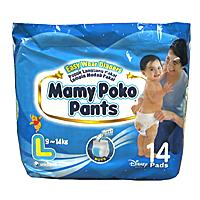
 Japan’s Unicharm is pledging to bring affordable diapers and sanitary products to 36 million low-income women in the Middle East/North Africa (MENA) and Asian regions as part of the Business Call to Action (BCtA) – a global initiative to reduce poverty and promote sustainable development through inclusive business models.
As one of the biggest buyers of nonwovens and related products, Unicharm’s current international expansion is expected to more than triple the company’s annual production of diapers and feminine napkins from 10 billion and 12 billion respectively by the year 2020. And 40% percent of the company’s total hygiene products are expected to be manufactured in the Middle East/North Africa and Asia and sold to low-income consumers in these regions.
As part of its localisation strategy, the company will also employ an additional 8,000 underemployed women throughout Indonesia, India, Vietnam, Thailand, Saudi Arabia, and Egypt – nearly doubling its female workforce in these countries.
“Through this initiative, we will expand our reach while alleviating poverty and supporting and empowering millions of women across MENA and Asia,” said Unicharm CEO Takahisa Takahara. “We are delighted to contribute in this way to sustainable and inclusive development, and to further demonstrate that good business practices and good global citizenship complement each other.”
By localising production, streamlining manufacturing and simplifying packaging, Unicharm will offer feminine napkins and diapers to low-income consumers previously unable to afford them. Access to sanitary napkins will allow women to remain active throughout their menstrual cycles.
“This is a great example of a company proactively contributing to the third Millennium Development Goal (MDG), promoting gender equality and empowering women,” said Sahba Sobhani, BCtA acting programme manager. “By creating hygiene products that are affordable to the poor and employing women in areas where full-time jobs are scarce, Unicharm is both expanding its business and enhancing quality of life for women in the Middle East/North Africa and Asia.”
Since the BCtA's founding in 2008, more than 55 companies have responded to the call to further the MDGs by committing to improve quality of life for the world's poor – setting specific, time-bound targets to advance them through business ventures in agricultural development, healthcare and nutrition, financial inclusion, access to energy, education, water and sanitation, housin, and gender equality.
BCtA member companies have to date employed more than 238,000 people and provided training to more than 575,000 in 42 middle and low-income countries. Over the lifetime of BCtA initiatives already in progress, more than 80 million people will gain expanded access to energy, 75 million will experience improved health, and 40 million will gain access to financial services.